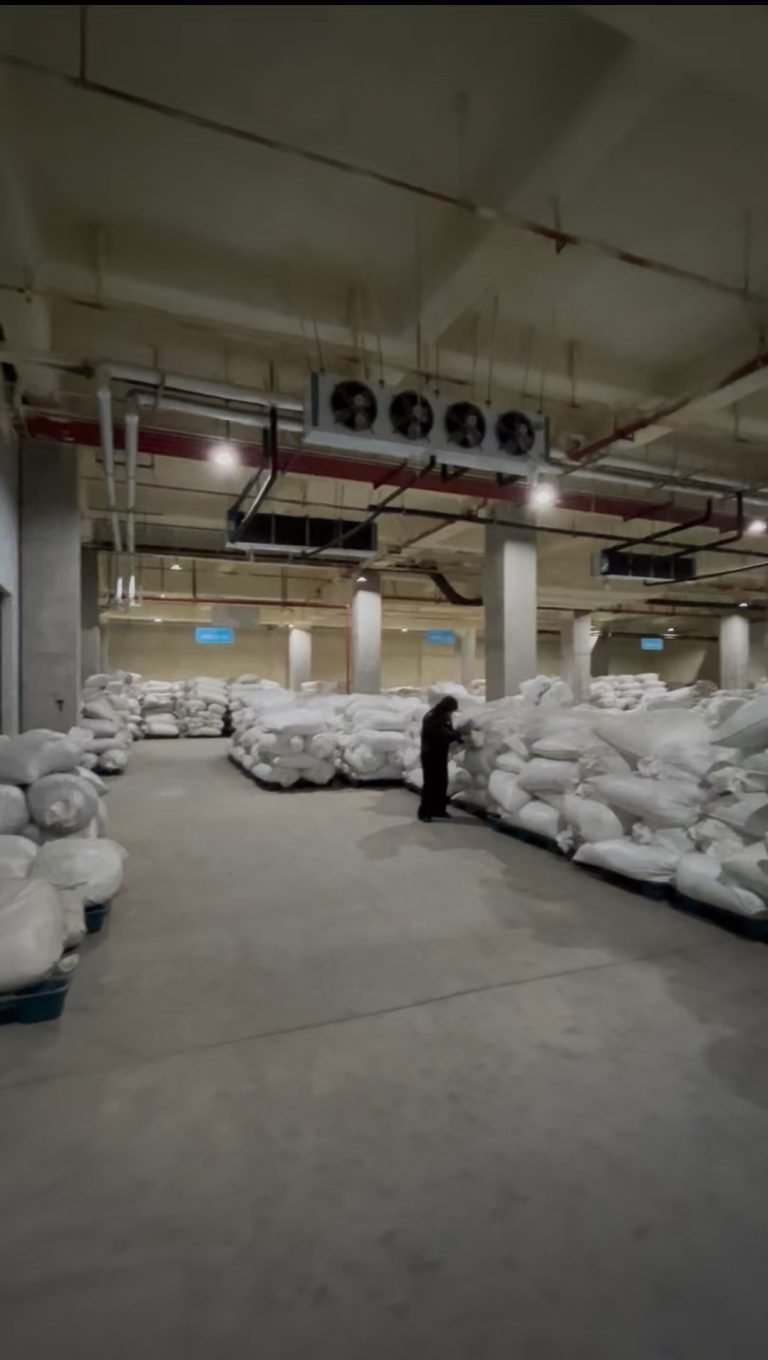
Seafood Cold Storage
Chilled and frozen rooms matched to seafood temperature and handling requirements.
APPLICATION-BASED REFRIGERATION
A cold room must handle the way your business actually operates. Mechocool reviews the product arriving each day, its entering condition and the required storage environment before developing an equipment direction. A room used to hold precooled goods has a different duty from one expected to cool incoming product.
Storage temperature · Daily load · Room operation
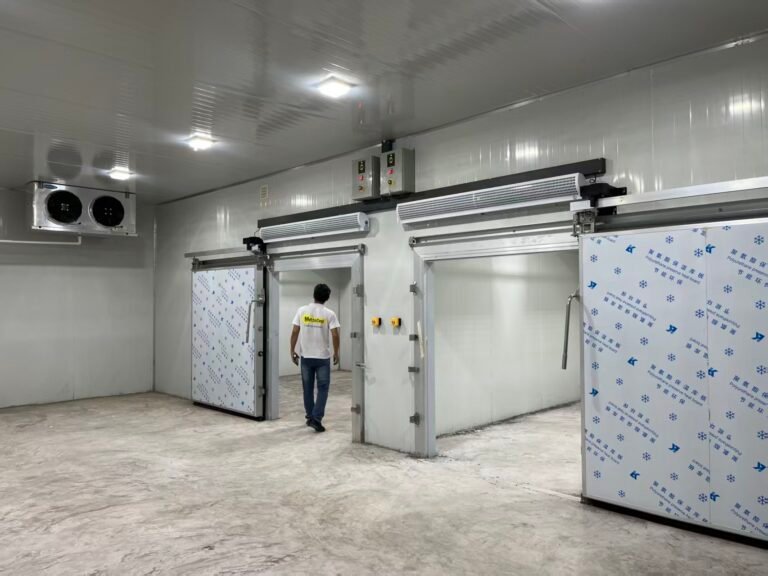
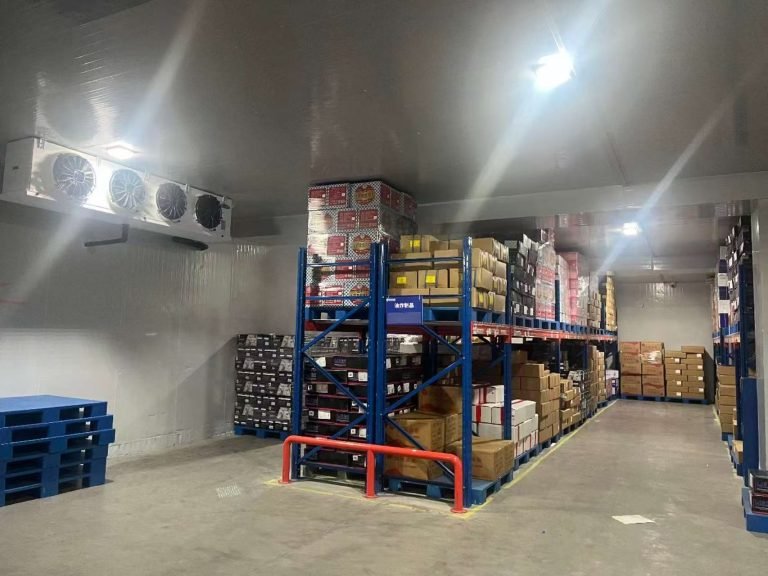
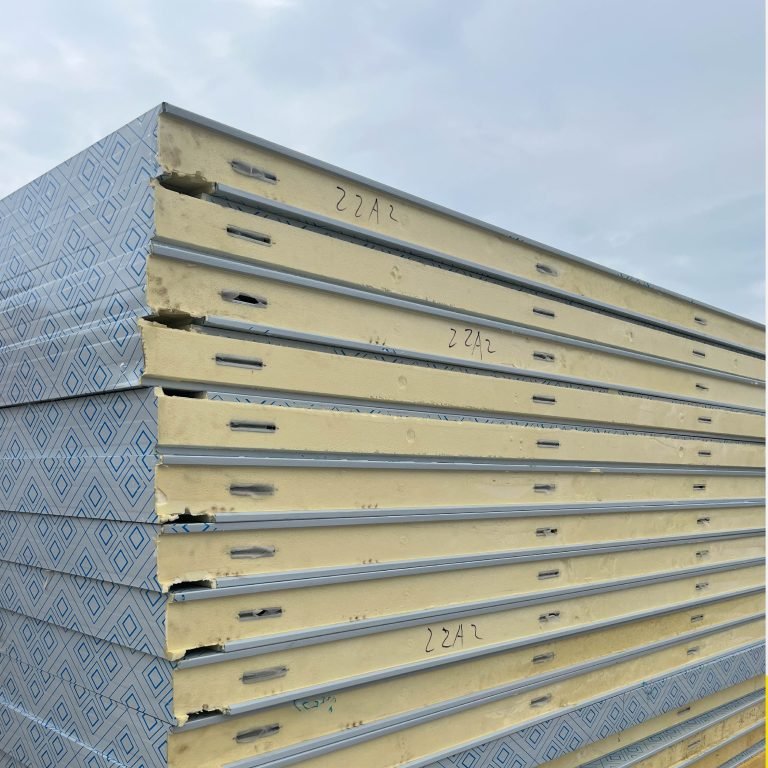
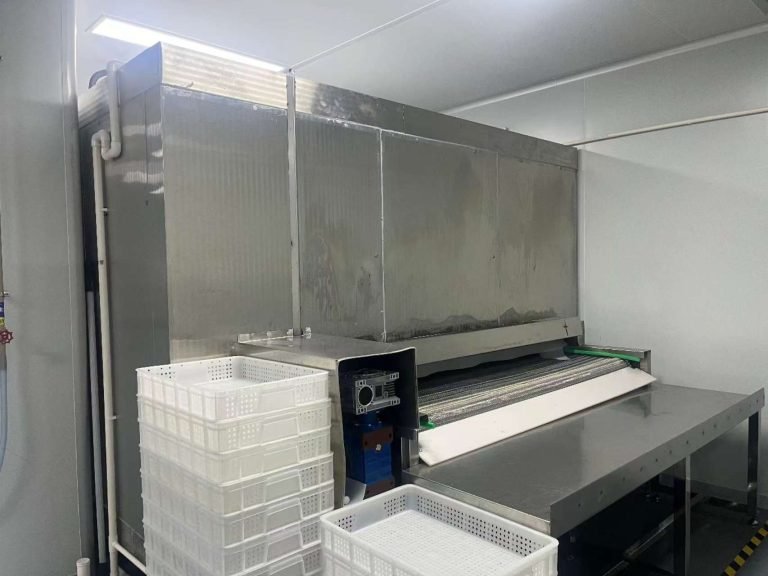
Cold storage and product handling at an existing project.
Chilled and frozen rooms matched to seafood temperature and handling requirements.
Storage arranged around incoming product load, airflow and hygiene.
Temperature-controlled rooms with attention to humidity and product sensitivity.
Multi-room storage designed around stock movement and door traffic.
Send a room plan and describe the busiest operating period. Include adjacent spaces and proposed equipment locations so the review can identify missing information before a quotation is prepared.
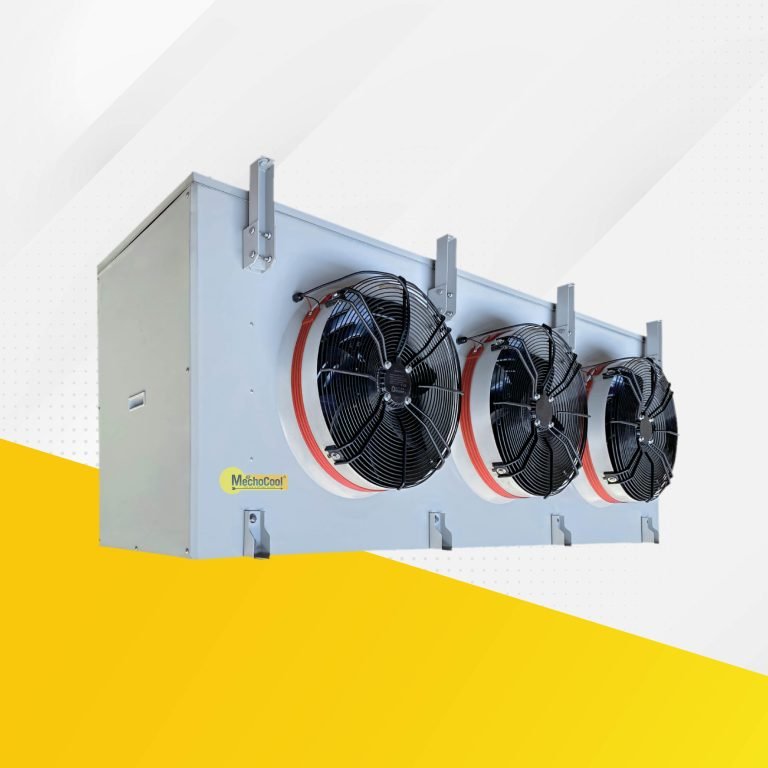
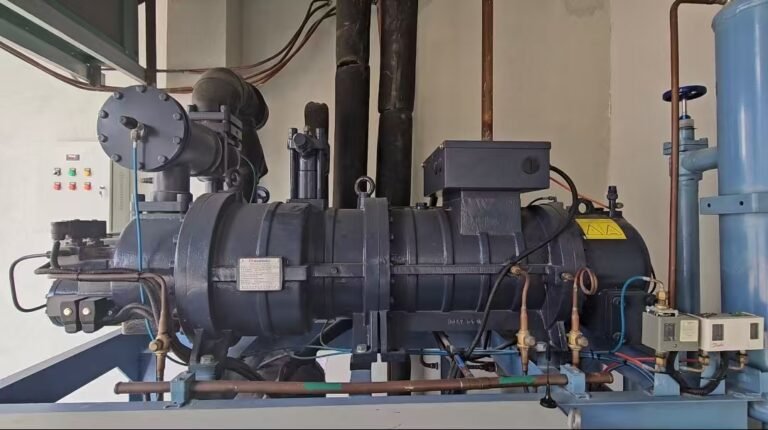
The selection review connects cooling duty with compressor arrangement, air distribution, defrost and heat rejection. Rack positions and maintenance routes also matter: equipment must fit a room that people can load, clean and service. Where rooms have different duties, the control and capacity strategy should reflect those differences.
Small and medium chilled or frozen rooms.
Medium-capacity chilled and frozen storage.
Large cold stores and centralized refrigeration systems.
Lower-temperature or higher-duty freezer applications.
Final system selection depends on load calculation, operating conditions, redundancy requirements and project scope.
The agreed package can include a room duty schedule, equipment selection basis, interface list and supply scope. Installation and startup support are defined with your local team. Before acceptance, agree how loading conditions, room measurements and equipment operation will be recorded and reviewed.
Confirm application, temperature, load and site conditions.
Compare suitable refrigeration configurations and equipment.
Coordinate system components, technical interfaces and documentation.
Provide agreed installation guidance and commissioning support.
Send your room plan and daily loading profile.