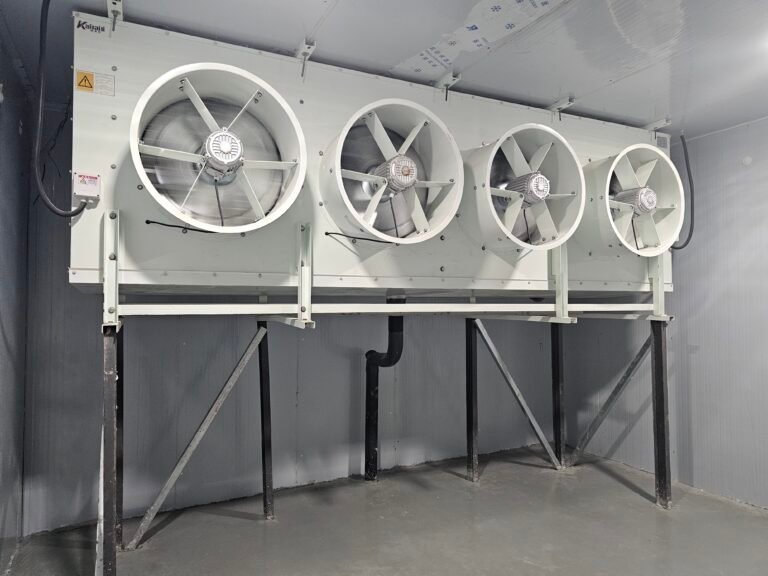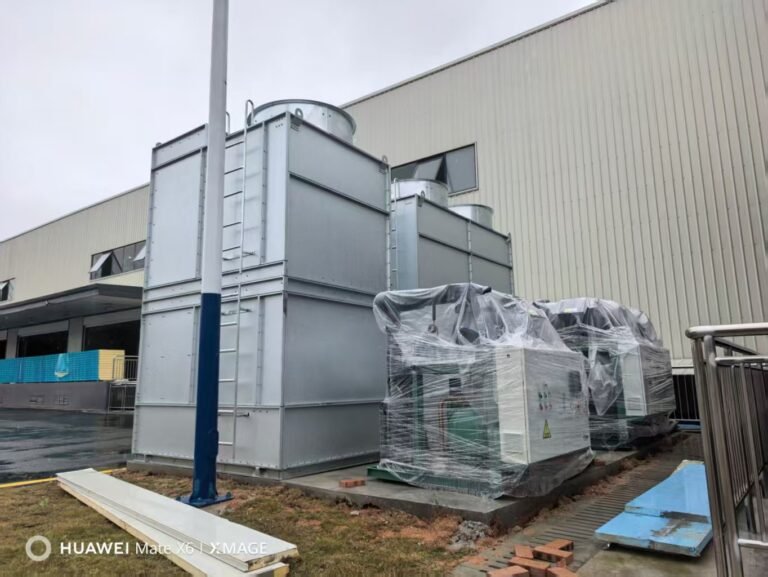
Seafood Freezing
Freezing processes matched to species, loading format and target core temperature.
APPLICATION-BASED REFRIGERATION
Freezing equipment should fit the production sequence from preparation to frozen storage. Mechocool helps clarify the product, the required output and the time available for freezing. This gives the project a practical basis for comparing batch, continuous and contact-freezing arrangements.
Throughput · Core temperature · Freezing time
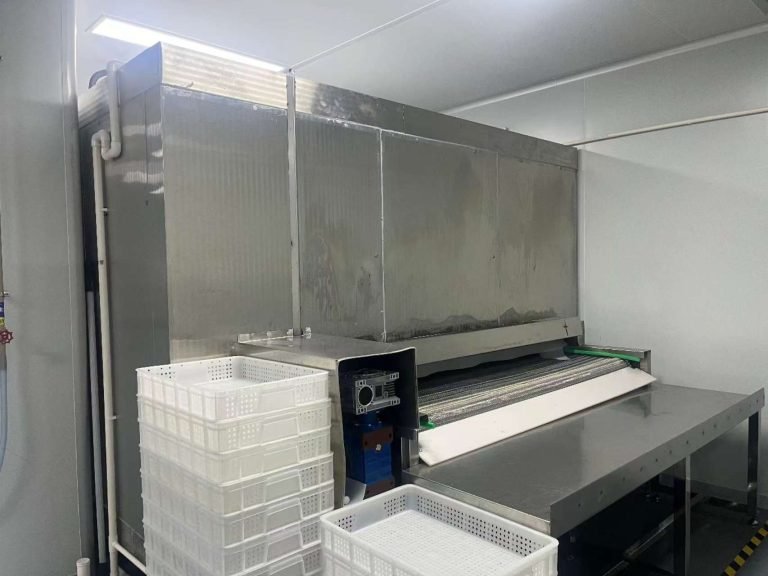
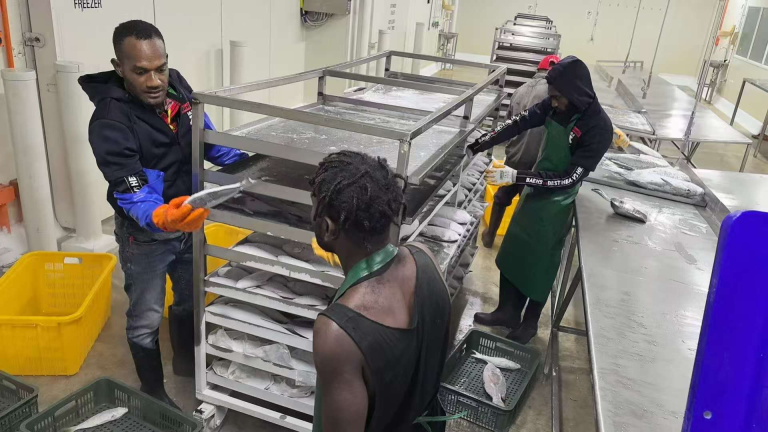
Seafood freezing at the Papua New Guinea project.
Freezing processes matched to species, loading format and target core temperature.
Batch or continuous freezing planned around product size and packaging.
Freezing integrated with production rhythm, product handling and hygiene.
Individual freezing for suitable products with defined size and throughput.
A throughput figure alone leaves important questions unanswered. Product dimensions, packaging and the condition at entry influence the process that equipment must support. Provide representative products and identify seasonal or recipe changes that could affect selection.
The review considers how products are loaded, exposed to the cooling medium and removed. Airflow, contact surfaces, defrost and refrigeration supply are coordinated with the chosen freezer concept. Space for operators and cleaning should be considered alongside the equipment footprint. Storage after freezing is treated as a separate duty.
Batch freezing and flexible production.
Continuous freezing for individual products.
High-capacity contact freezing for suitable products.
Continuous freezing where production layout requires a compact footprint.
Final system selection depends on load calculation, operating conditions, redundancy requirements and project scope.
An agreed process basis, equipment schedule and interface register make supplier proposals easier to compare. The acceptance plan should state the test product, loading pattern, measurement method and responsible parties. Product trials or supplier validation may be needed before a freezing-time commitment can be made.
Confirm application, temperature, load and site conditions.
Compare suitable refrigeration configurations and equipment.
Coordinate system components, technical interfaces and documentation.
Provide agreed installation guidance and commissioning support.
Share your product description and production schedule.